



Rime Revenant
The old guard of the Quorum.
The southeast
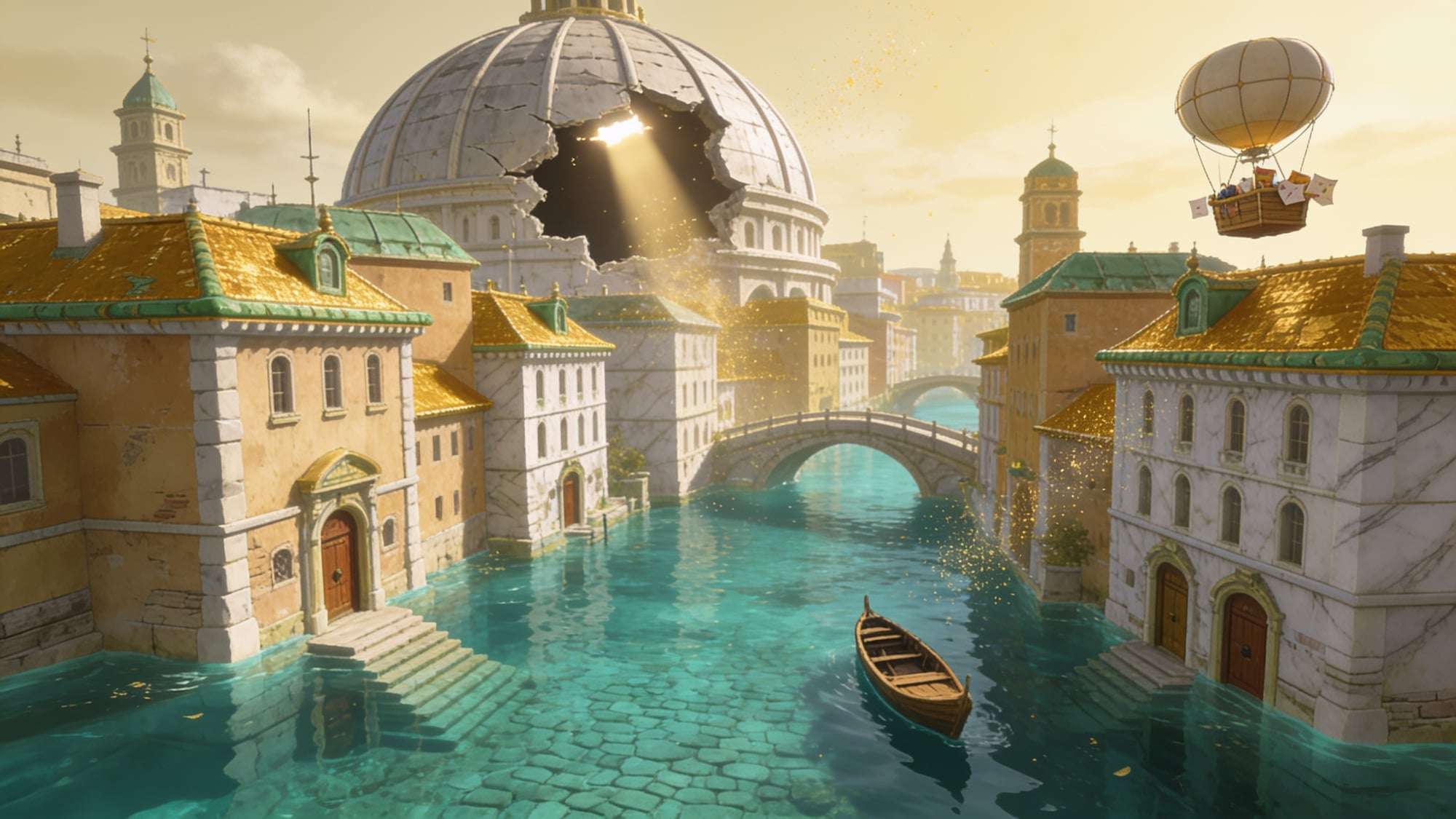
The capital of the old Council. It sank three hundred years ago, and ever since, its streets have been canals.
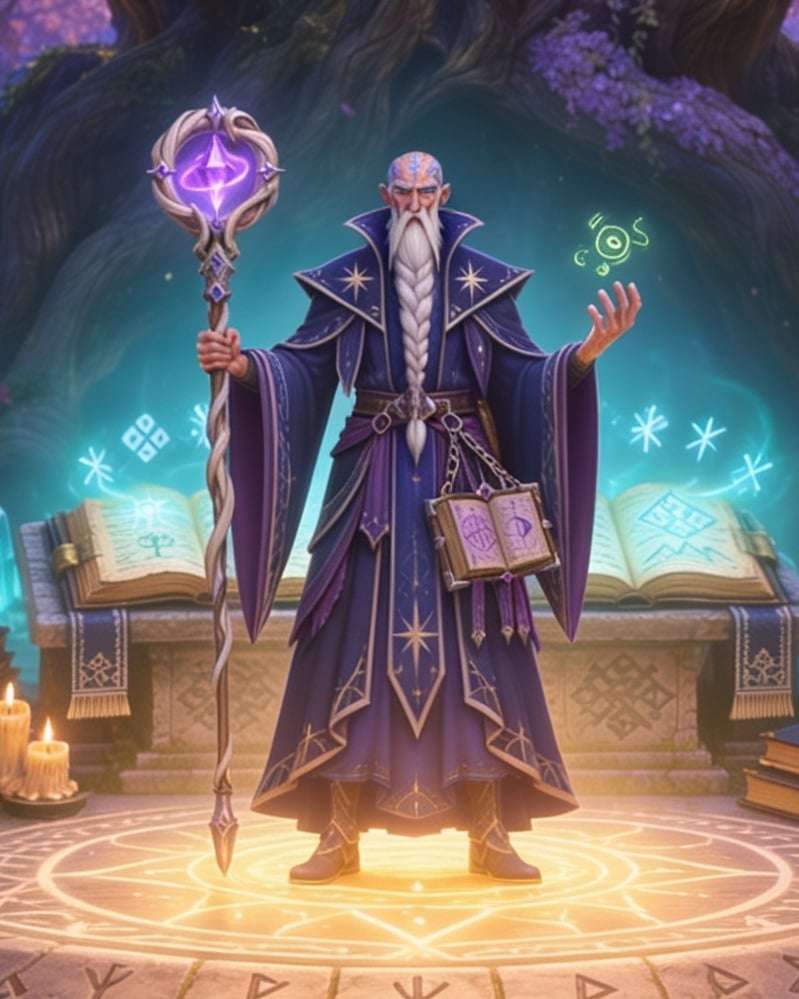
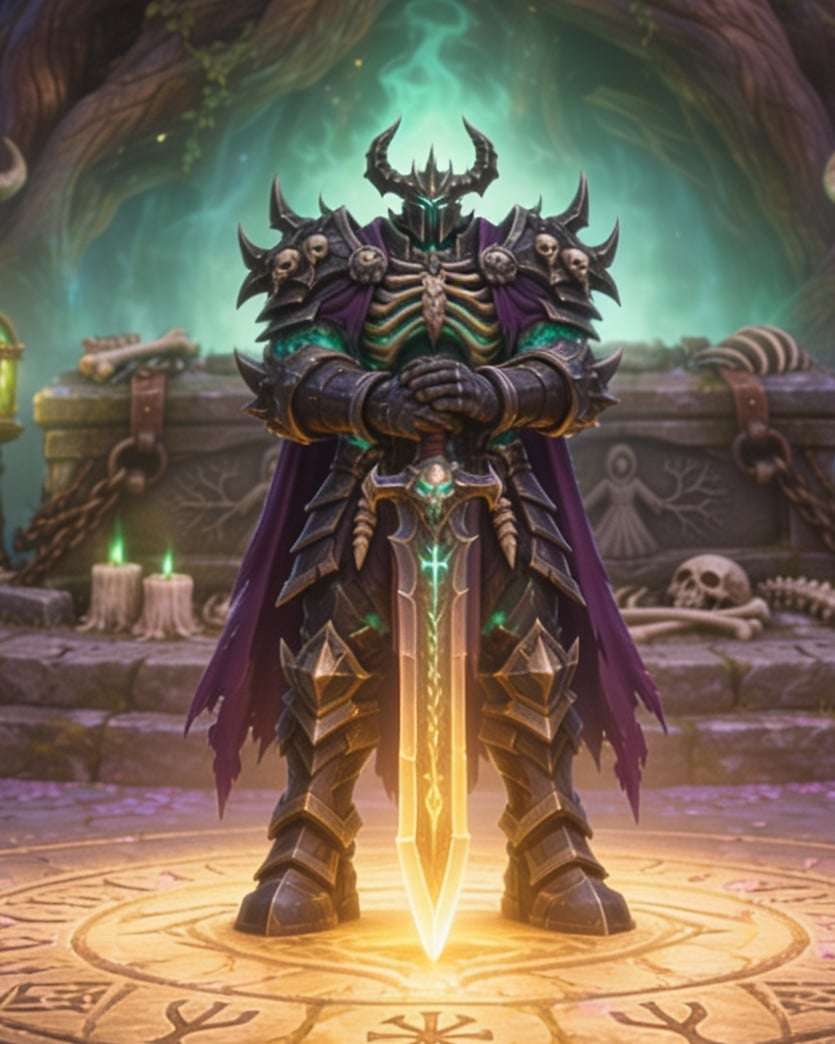
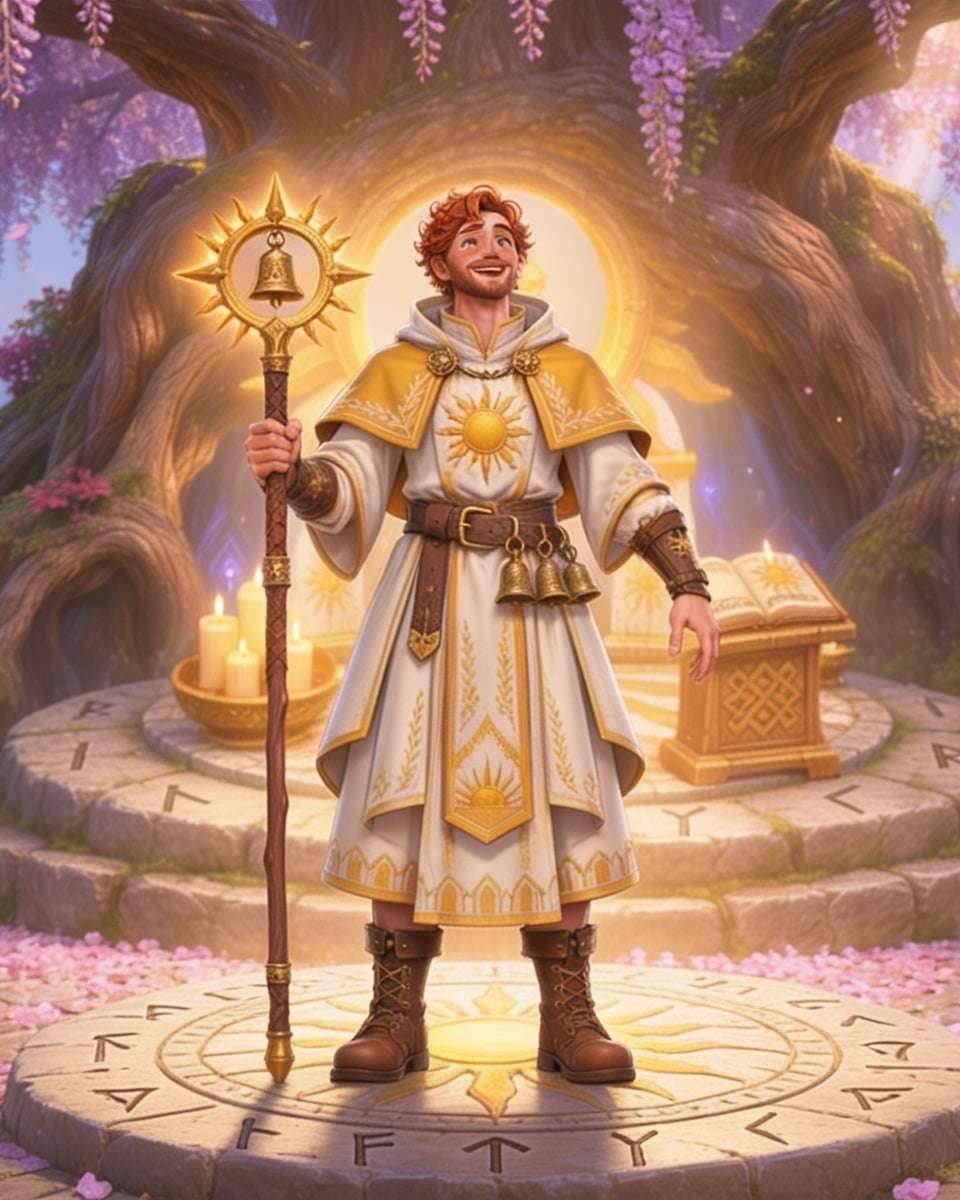
The next time the Tree lowered its root, three fell through it for whom the city in the southeast is home: Osric, an archivist three hundred years old; Varic, a knight in dark violet armour; and Bellamy, a bell-ringer, who sang even as he fell.
They came out under an arch. The southeast gate did not stand in a field like the others. It was built into the city arch, and the city began right behind it.
The Sunken Quorum was the capital of the old Council. It sank three hundred years ago, and ever since, its streets have been canals. The water in the canals is turquoise and clear, and through it you can see cobblestones, steps and front doors. The houses are sandstone and marble with golden roofs, and the gold has gone green with patina at the edges. It was noon. Golden dust floated in the air.
You heard the city before you saw it. Murmuring came from the offices, harpsichord music from a square, and from somewhere among the domes a choir sang without words. On the biggest dome, above everything, stood tents. Vultures were camping there. They had a fire, a cooking pot and a washing line.
Above the canals, between the houses, stood the ruins of towers. Bellamy stopped by one. It was one of Ilaria’s towers, the kind he builds in battle, only old, roofless, with moss in the windows. Further down the canal stood the ruin of one of Brennick’s towers, then one of Thorne’s. Nobody knew who had built them there, or when.
Varic stopped on a bridge and looked down the canal.
“This is where I died,” he said.
Bellamy looked at the city, the gold and the water.
“Nice city for it.”
Varic considered this and agreed.
Boats moved along the canals, long and narrow, with ghosts sitting in them holding folders on their knees. Nobody was rowing. The boats went by themselves, from office to office, and each one stopped exactly at its own landing. Bellamy waved to one of the ghosts. The ghost nodded politely and went back to reading.
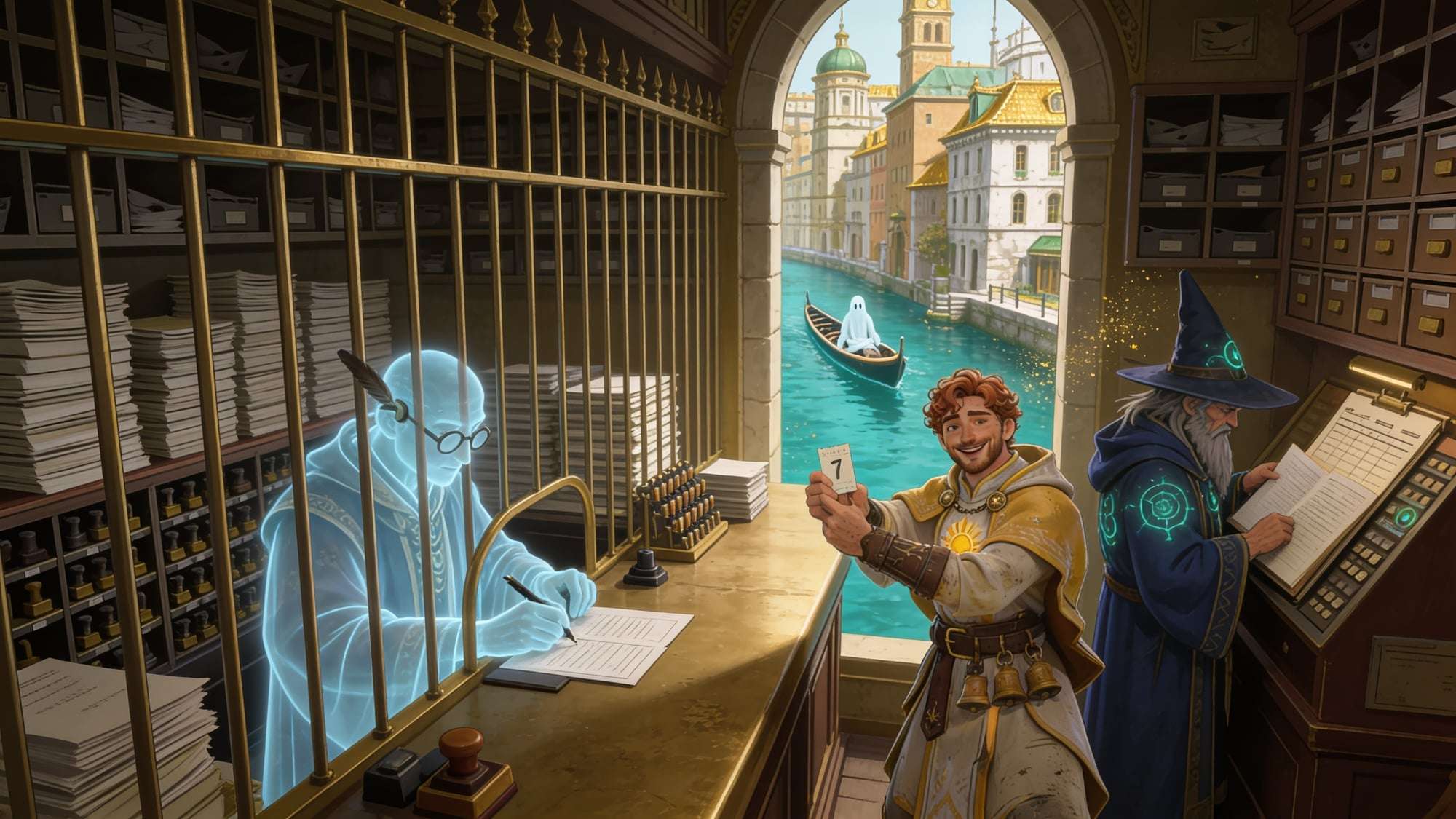
The city wasn’t empty. In the offices along the canals, behind barred windows, the clerks were at work. They were ghosts, pale blue and see-through, in old robes, with spectacles on their noses. They were polite. For three hundred years they had been processing the same papers: take a form, read it, stamp it, put it on the pile, take the same form off the pile.
Bellamy went into the first office to ask the way to the archive. At the counter stood a ghost with a quill behind his ear, who pointed him to a box of numbers.
“Please take a number. Current wait: three hundred years.”
Bellamy took a number. The ghost then gave him Form 7-B, a request to request, so that he could request the form for directions. Bellamy filled it in, singing. The ghost stamped it. Bellamy got a new number.
Meanwhile Osric stood by a shelf leafing through a register. When he came out, he said the system was good: tidy, alphabetical, cross-referenced. It only lacked footnotes. Without footnotes, he said, even three hundred years isn’t enough.
In the last office, behind the biggest pile, sat a skeleton in a clerk’s robe, writing. His name was Scribe Cobb. Scribe Cobb had missed his own funeral, because he was at work that day. He has been writing a complaint ever since. The complaint is four hundred pages long and still not finished, because every page has to be certified by himself.
Osric read the first page and gave him three notes. Scribe Cobb wrote them down, thanked him and started the complaint over from the beginning. He said he was glad to have the work.
On the way out, a ghost stopped Varic. According to the records, Varic had died in the city, but his death form had never been filed. The ghost asked whether Varic, since he was here anyway, would mind filling it in.
“Speak. I have nowhere else to be.”
Varic filled it in completely, at the counter, standing up. The ghost stamped it and said everything was in order now.
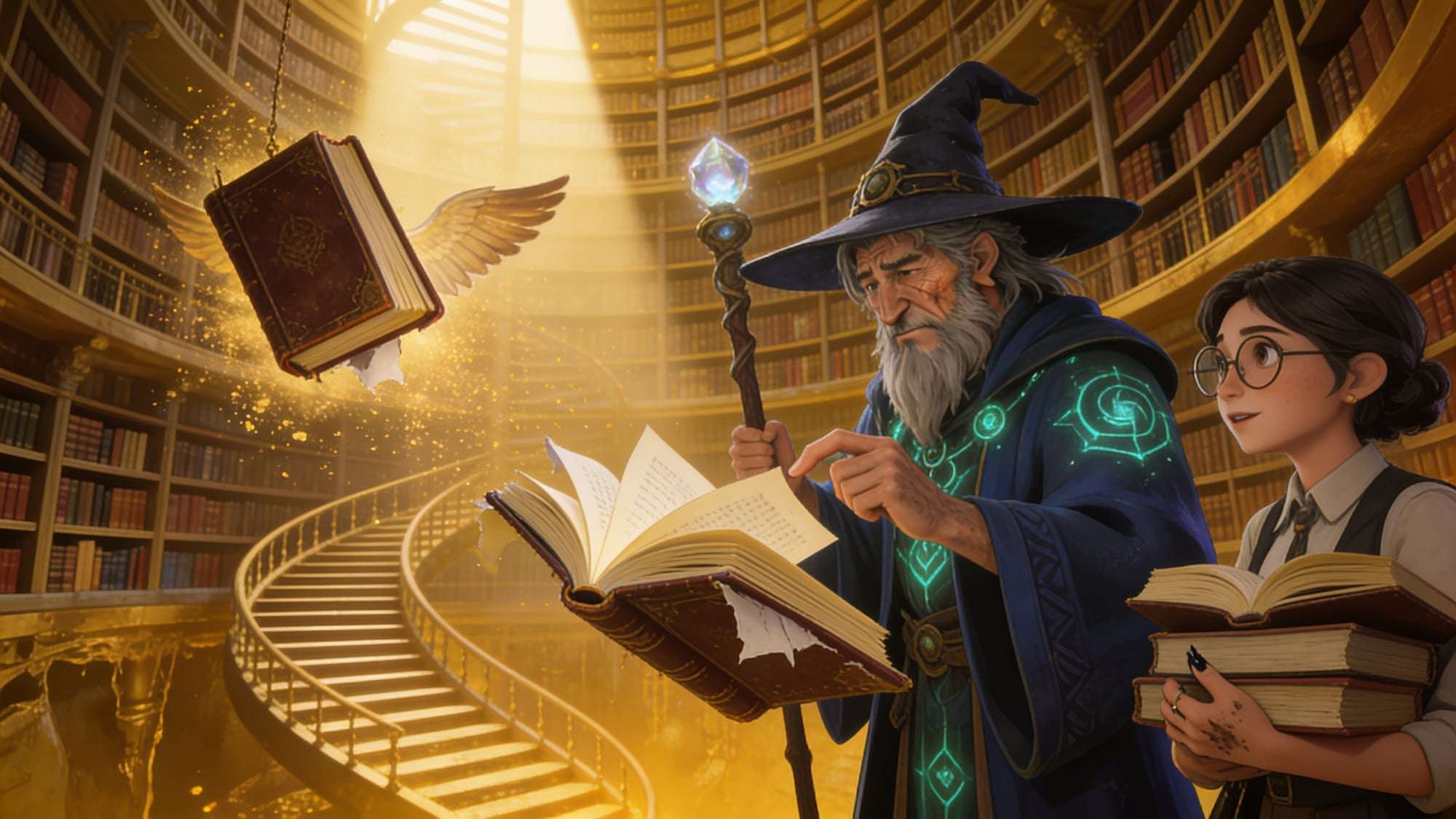
The Archive Tower is the tallest building in the city, thirty metres of stone, with a spiral staircase climbing through it. Shelves line the stairs, and the shelves are full of books, from bottom to top.
Selwyn met them on the ground floor. In the camp beneath the Tree she is a governor. Here she is the young keeper of the archive, with spectacles, ink on her fingers and three open books under her arm.
“Master,” she said to Osric. “She’s been waiting for you.”
A book came loose from one of the shelves. It was thick, bound in leather, and it flew by flapping its covers. It came down in front of Osric, opened by itself, and began leafing its pages towards him, fast, from every direction at once. This was the Index, a living book.
The Index knew Osric. You could see it. Osric didn’t know her.
He looked at her for a long time, carefully, page by page. Then he took one page between his fingers.
“It has footnotes,” he said.
He said nothing more. The Index closed her covers and settled into his hands.
“Master,” said Selwyn, “I wrote to you about her. Three times, before the Council.”
“I read the footnotes,” said Osric. “In the second letter you numbered them wrong.”
Selwyn blushed and wrote that down.
Selwyn showed him the edge of the binding. Three pages had been torn out. They had been missing for as long as Selwyn could remember. The Index, Selwyn said, flies around the city every night looking for them.
Osric remembers everything he has ever written, except for one thing, and he doesn’t know which.
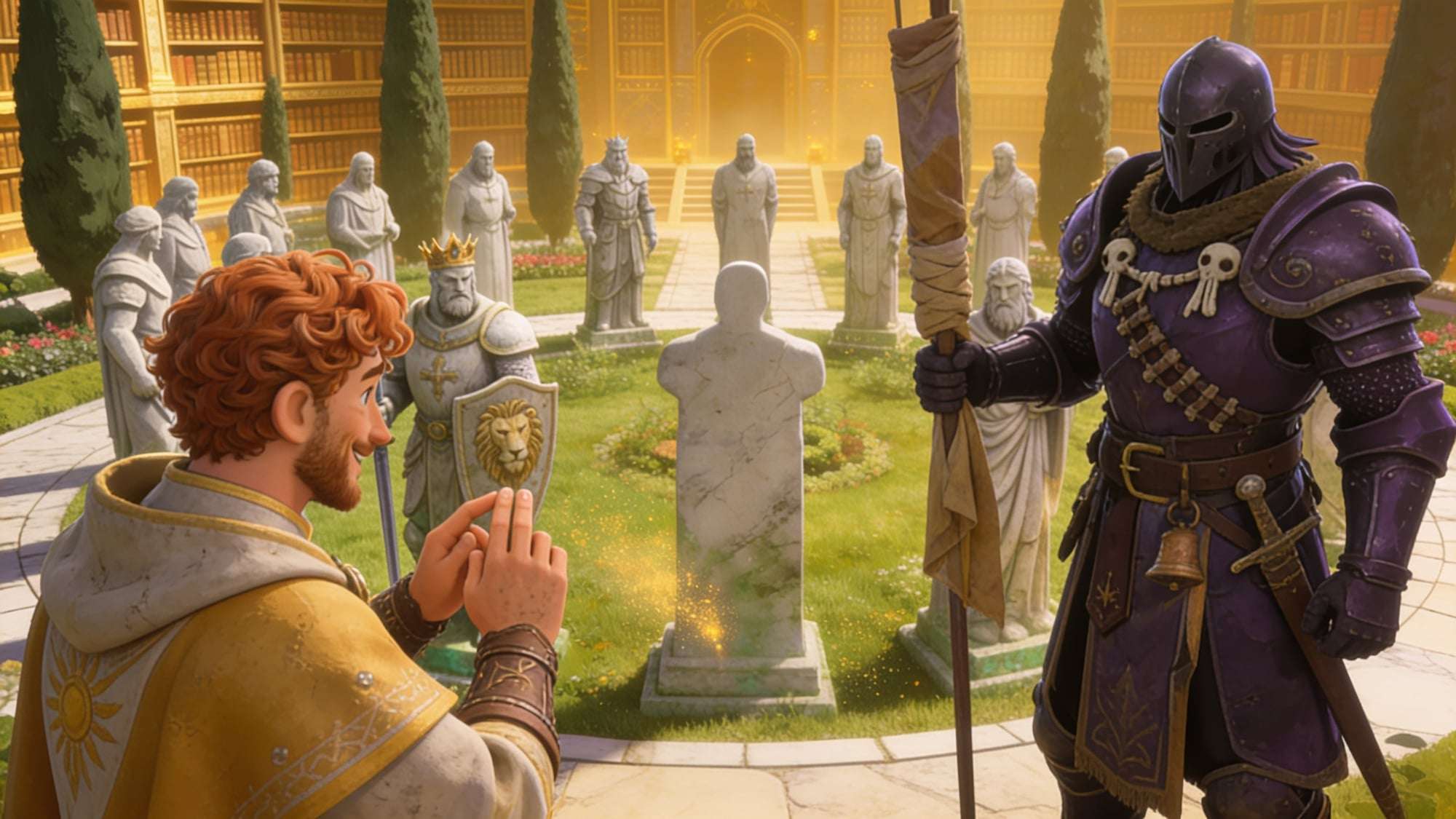
Behind the archive is a garden, and in the garden stand statues in a circle. There are thirteen of them.
Seats on the Council are inherited, so these are the ancestors of today’s governors, in stone: the first Brennick with a beard, the first Ilaria with a crown of sunrays, the first Aldric with a sword. They all look like their descendants.
Only two statues didn’t look like ancestors, but like the governors themselves. Thorne and Morvane stood in stone exactly as they are today, and Thorne’s statue held a quill in its hand.
The thirteenth statue had no face. It had shoulders, arms, a robe and a head, and where the face should have been, the stone was smooth.
At the second respite Aldric came into the garden too. He stood a long time in front of the statue of the first Aldric. The statue had a sword and a shield with a lion, and no helmet. Aldric looked at the helmet under his own arm and said nothing.
Bellamy counted the statues twice and got thirteen both times. There are twelve seats on the Council.
“Maybe someone came without an invitation,” he said.
Nobody laughed.
Ilaria’s chapel stands on a small square above a canal, with a golden dome and a bell tower. Ilaria was inside lighting candles. Bellamy climbed the tower and rang the bell, every hour, loudly, singing along with it, the way he had all his life.
The night the first clonk was heard beneath the Tree, Bellamy didn’t sing. He got up from the fire, turned towards the northeast, and said only:
“A bell with no tongue. The worst sound in the world.”
Between ringings, Bellamy fished from the bridge in front of the chapel. In the Quorum you don’t fish for fish, you fish for relics: everything the city owned when it sank is still lying in the canals. Bellamy pulled out a teapot, a chair leg, a golden spoon and a rubber stamp. A ghost immediately came out of the nearest office and asked for a form to be filled in for the stamp. Bellamy dropped the stamp back in the water. The ghost was satisfied.
Bellamy isn’t afraid of anything. Not the undead, not vultures, not even Varic when he laughs. The only thing he fears is a bell with no voice. That’s why in the Quorum he rings more often than he needs to, and Ilaria doesn’t stop him.
At the second respite, the Rifts struck the archive.
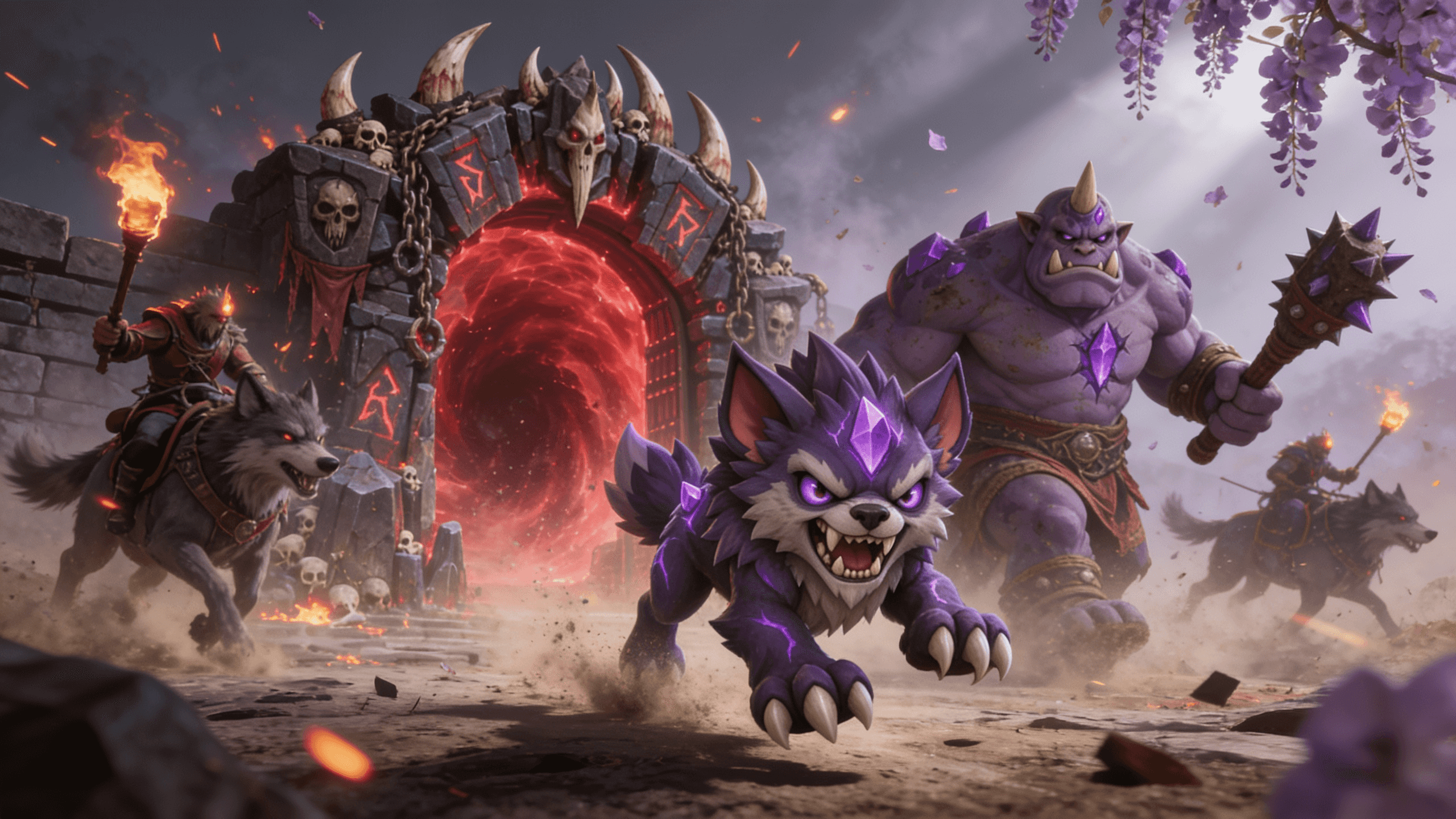
A crack opened in the Vault, beneath the city, and the creatures came up along the canal, over two bridges, towards the archive doors. First came the bronze guardians of the Quorum, tall and heavy, with a violet crystal in the chest. Magic didn’t touch them. Behind them the vultures took off from the dome. Normally they just camp up there, with their tents and their fire, and bother nobody.
Osric didn’t run. He jumped. Ley lines run between his towers, invisible paths he can travel in a single step, and Osric jumped from tower to tower, laying a foundation the moment he arrived. No hero builds faster.
The towers grew in the ruins. Where an old ruined tower of Ilaria’s stood, Bellamy struck a foundation, and a new tower grew up inside the old one, the same shape, stone into stone.
The bronze guardians didn’t go for the heroes. They went for the towers, and knocked them down with their fists. Osric stood in the middle of the bridge, raised a hand and said one sentence:
“Runes, unravel them!”
The guardians’ protection against magic fell away, and from then on the towers could reach them. Varic took the second bridge.
“Fall, and rise for me!”
Skeletons climbed out of the canal and stood on the bridge, shoulder to shoulder, and held it. The skeletons were looking up, and they were the first to spot the vultures coming down behind them. Varic’s sword can’t reach anything that flies, but the towers can.
Bellamy ran from tower to tower patching them up. Around him, the towers fired faster. Once each wave he lit up golden, rose into the air and struck from above, and the blow went straight through the bronze.
One of the last to arrive was a balloon. It was the Quorum’s postal balloon, with a basket full of letters and a purple crystal on its rope. The towers brought it down. Letters scattered across the canal. The clerks came out of their offices, collected them, stamped each one and put them back on the pile.
The next day the bronze guardians stood in their niches along the canal, calm, each with a bandage over its bronze helmet, tied in a bow. Up on the dome, the vultures had bandages and a fire, and were roasting something.
When things were quiet, Osric climbed to the top of the archive. The Index flew beside him, up through the spiral, and other books followed her off the shelves and swirled around the staircase. Osric named every one of them by title as they passed, and corrected two of the titles.
At the top of the tower there was sun. Below lay the whole city in gold: domes, canals, bridges, the Garden of Statues in its circle, and the canals leading to the gate in the city arch.
Osric looked the other way, to the southwest. There were mountains there, and above the mountains stood a column of smoke. Under the smoke the sky was orange, and it wasn’t sunset, because it was noon.
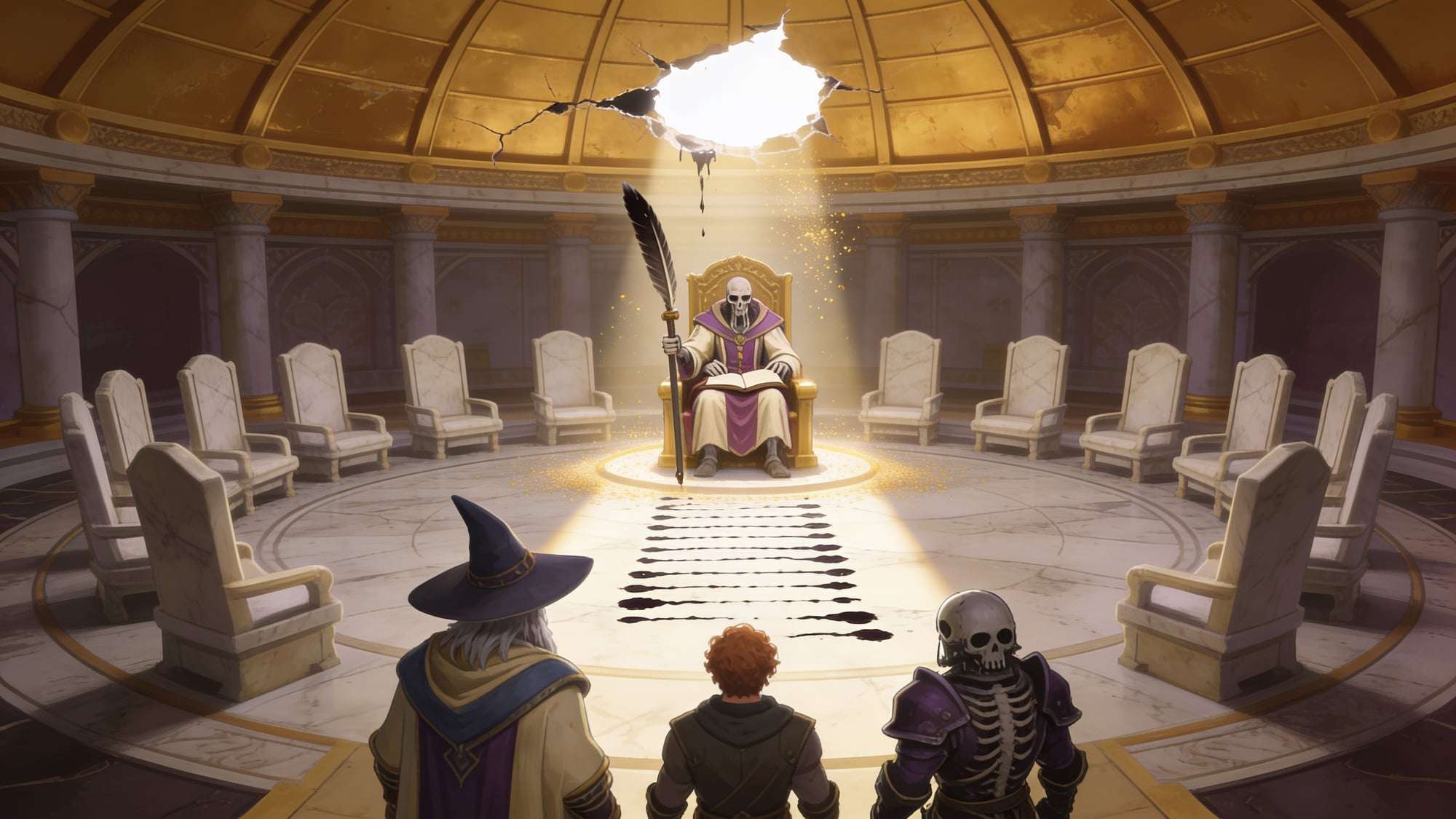
Beneath the broken dome, at the heart of the city, is the Hall of Seats. Twelve marble chairs stand in a circle, for the twelve seats of the Council, and all of them are empty. A beam of sunlight falls through the hole in the dome and moves slowly across the floor, from chair to chair.
Aldric stood by the marshal’s chair. He didn’t sit. He counted the chairs, even though he knew how many there were.
At the head of the hall, in the highest place, sat Chancellor Vael. He was undead and gaunt, in a chancellor’s robe of ivory and violet. Instead of a staff he held a quill, enormous, taller than himself, its nib dipped in ink.
Vael didn’t get up when they came in. He looked at them and dipped his quill in the ink.
The floor around his chair was covered with ink blots in neat rows, and new blots kept appearing on their own, faint at first, then dark. Every so often Vael raised his quill and called the roll of the councillors. At each name a pale blue ghost in a councillor’s robe stepped out of the wall, stood before him, waited for Vael to nod, and went back into the wall.
“What’s he waiting for?” Bellamy asked Osric, quietly.
Osric looked at the twelve empty chairs.
“A quorum,” he said.
A drop of ink fell from Vael’s quill, and a new blot appeared on the floor.
That night, warm ash began to fall on the camp beneath the Tree, out of the southwestern sky. It was fine and warm, and it fell on the tents, on the cooking pots and on Garrick’s hat.
A single spark dropped out of the sky onto the fire, and the fire flared up to the branches.
Kael, Ignara’s hero, the apprentice the smith Torvald had thrown out of his forge, looked at the flames and laughed.
Heroes whose home is The Sunken Quorum
Bestiary
Nothing here dies. Knocked down, they wake at home with a bandage.
The old guard of the Quorum.
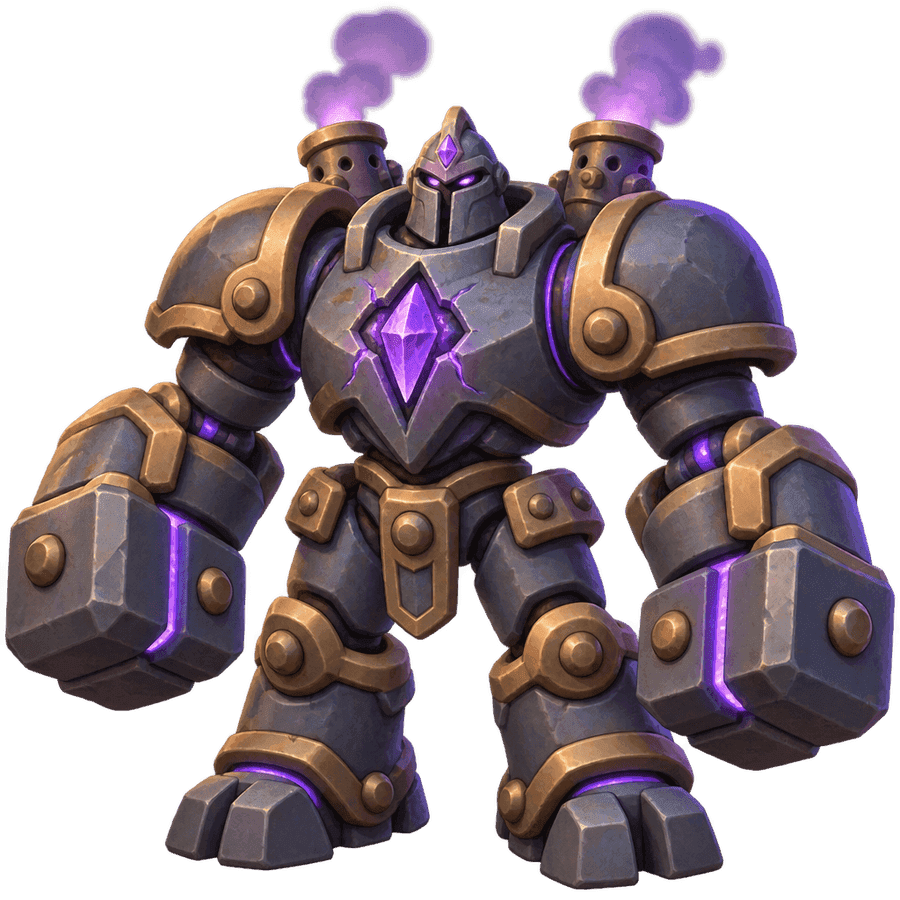
The bronze guardians of the Quorum.
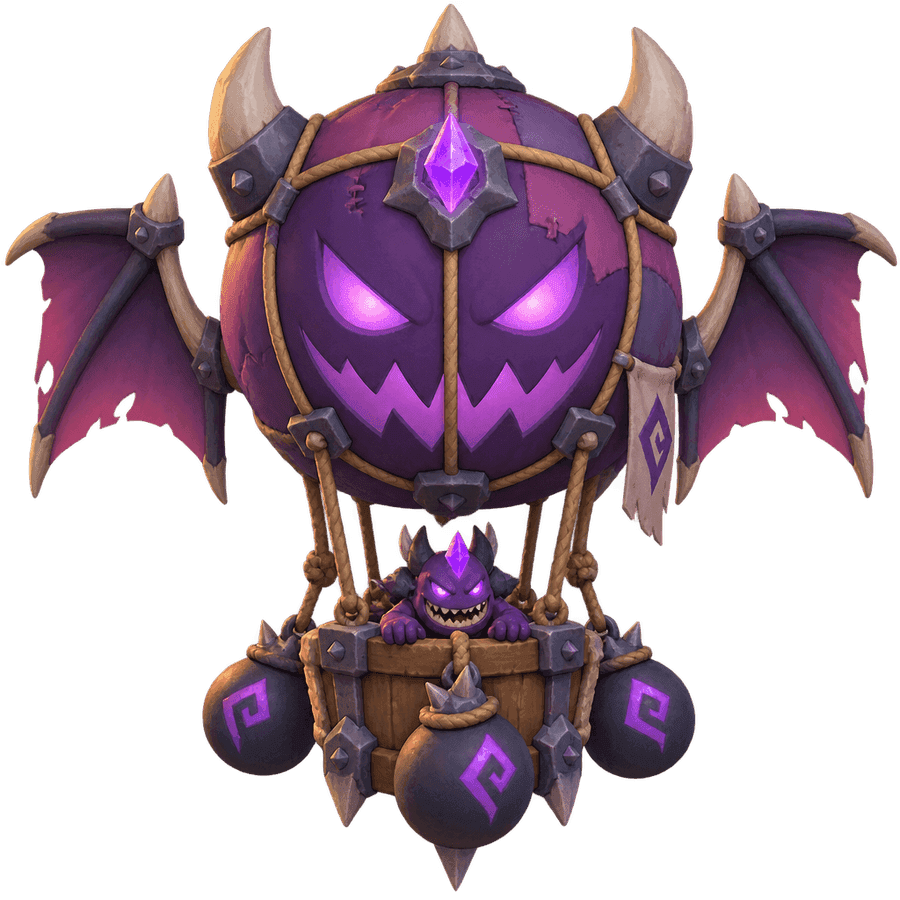
The Quorum's postal balloon.
At the heart of The Sunken Quorum
At the head of the Hall of Seats sits Chancellor Vael, undead and gaunt, in a robe of ivory and violet, with a quill taller than himself.
Read “The Hall of Seats”